
Dihydrocodeine
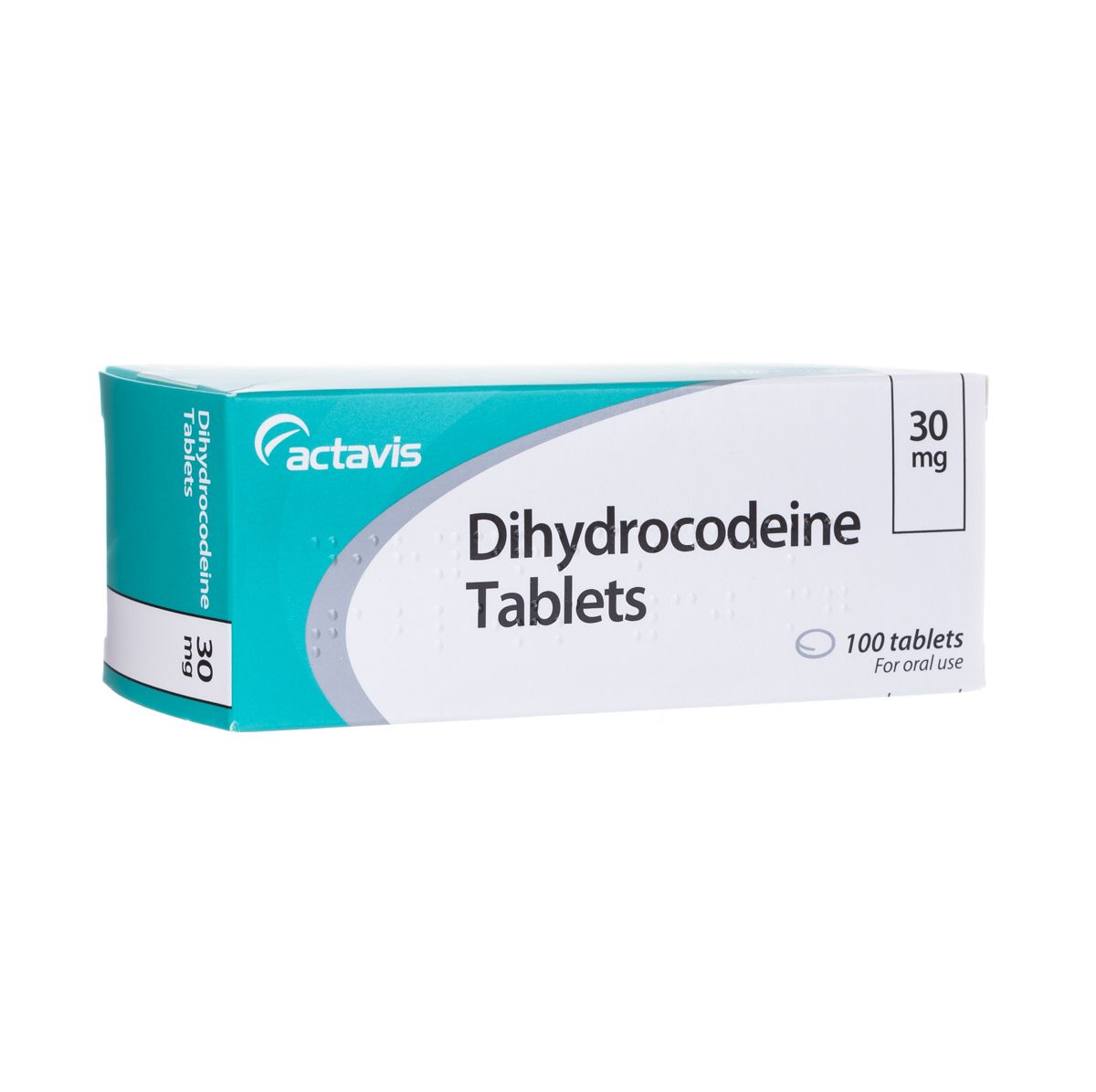
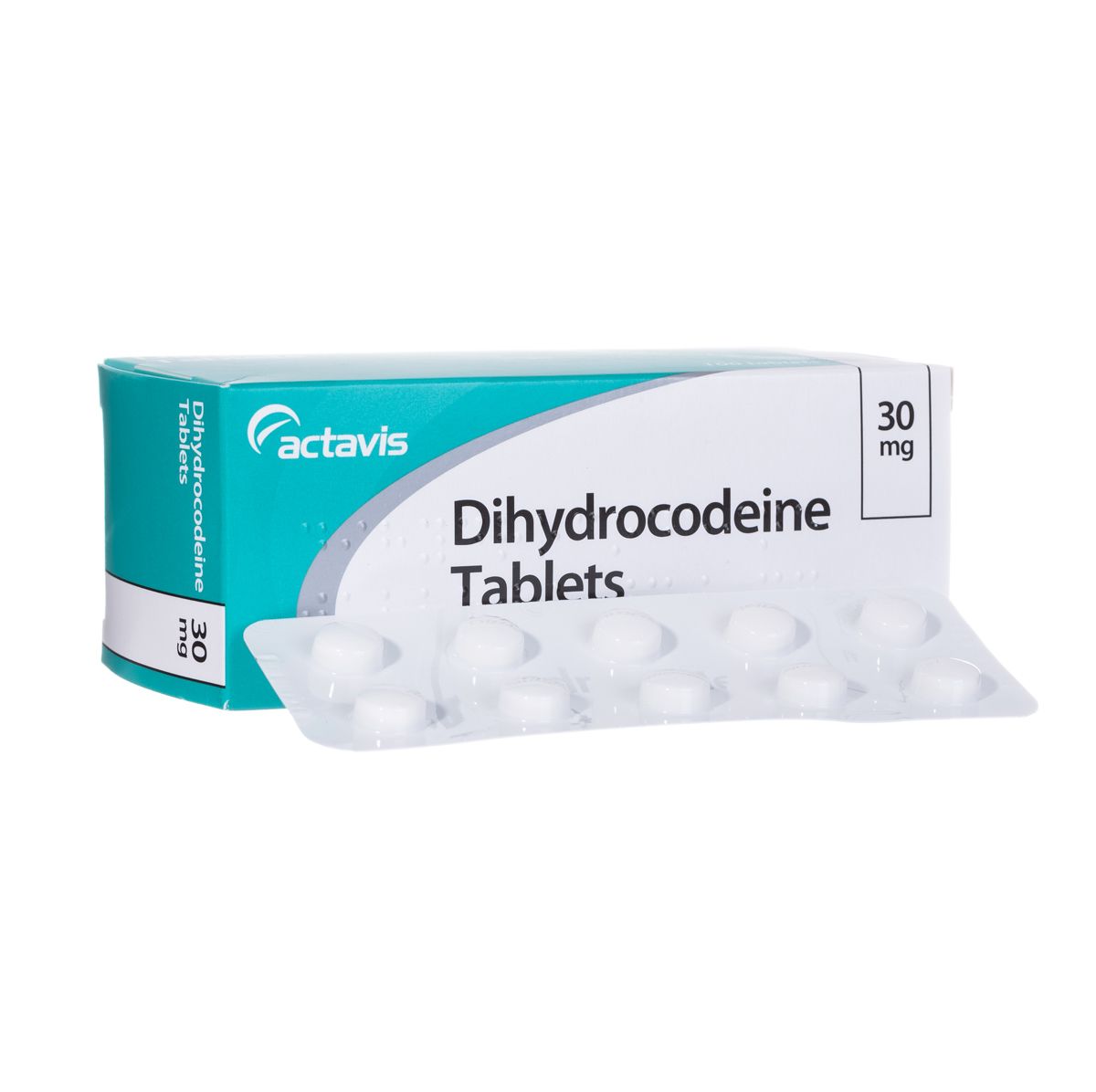
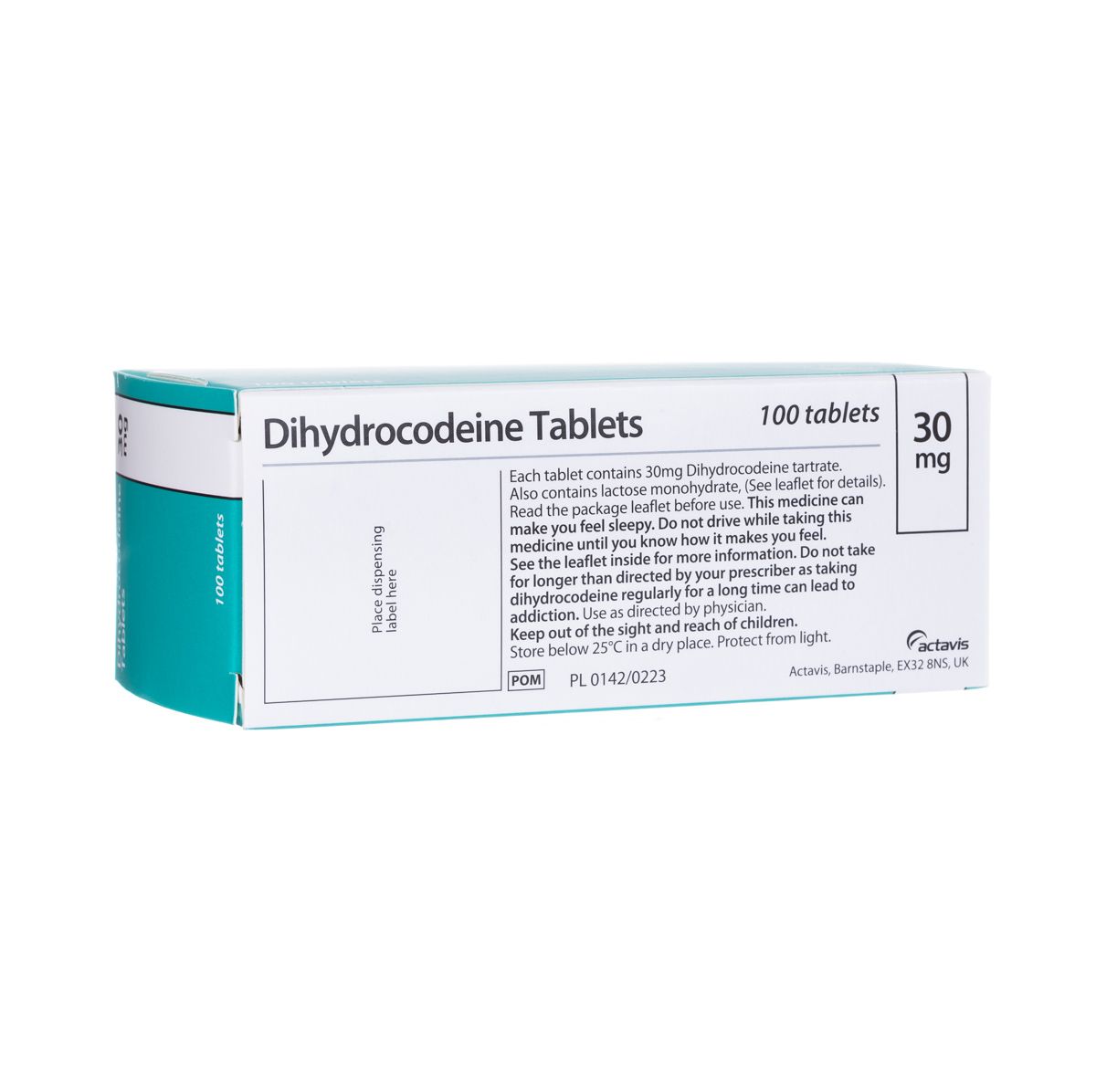
Images for illustrative purposes only
- ✓ Reviewed by GMC-registered clinicians
- ✓ 100% genuine medication
- ✓ Discreet delivery to your door
- ✓ Fast online consultation
- ✓ Next day delivery available
You will need to answer a few questions about your health before completing purchase of this item.
Dihydrocodeine
Dihydrocodeine UK Dihydrocodeine is an opiate painkiller and a Class B controlled drug in the UK ( BNF, 2023 ). It is regulated under the Misuse of Drugs Act 1971 and the Misuse of Drugs Regulations 2001 ( GOV.UK, 2022 ). Some medications combine dihydrocodeine with paracetamol, such as co-dydramol. It is used to manage moderate to severe pain, including migraines, headaches, joint pain, muscle pain, toothache, and period pain ( NHS, 2023 ). Available in both short-acting and sustained-release f
- Reviewed by GMC-registered clinicians
- 100% genuine medication
- Discreet delivery to your door
- Fast online consultation
- Next day delivery available
- Next day delivery available
- Medication shipped to your door
- Quick & Easy
- GMC-registered doctors
Package Size
You will need to answer a few questions about your health before completing purchase of this item.
More Information
Where to buy Dihydrocodeine online?
Looking for a safe and trusted online clinic to buy dihydrocodeine? ProHealth is an online clinic where you can purchase dihydrocodeine by completing our online consultation form. Once approved, we can dispense your medication and have it delivered to your door. If you do not yet have a prescription, our online consultation, which is reviewed by a registered doctor, can provide you with one. The consultation ensures dihydrocodeine is suitable for your condition. If approved, you can order it with an electronic prescription. The same process applies to repeat prescriptions to ensure continued safety and suitability.
What is Dihydrocodeine?
Dihydrocodeine UK Dihydrocodeine is an opiate painkiller and a Class B controlled drug in the UK ( BNF, 2023 ). It is regulated under the Misuse of Drugs Act 1971 and the Misuse of Drugs Regulations 2001 ( GOV.UK, 2022 ). Some medications combine dihydrocodeine with paracetamol, such as co-dydramol. It is used to manage moderate to severe pain, including migraines, headaches, joint pain, muscle pain, toothache, and period pain ( NHS, 2023 ). Available in both short-acting and sustained-release forms. Known under brand names such as DHC Continus and DF118 Forte. Dihydrocodeine tablets are a morphine derivative with moderate potency ( Flecknell, P.; 2016 ) Always read the patient information leaflet for a complete list of side effects and precautions.
Dihydrocodeine UK
Dihydrocodeine is an opiate painkiller and a Class B controlled drug in the UK ( BNF, 2023 ). It is regulated under the Misuse of Drugs Act 1971 and the Misuse of Drugs Regulations 2001 ( GOV.UK, 2022 ). Some medications combine dihydrocodeine with paracetamol, such as co-dydramol. It is used to manage moderate to severe pain, including migraines, headaches, joint pain, muscle pain, toothache, and period pain ( NHS, 2023 ). Available in both short-acting and sustained-release forms. Known under brand names such as DHC Continus and DF118 Forte. Dihydrocodeine tablets are a morphine derivative with moderate potency ( Flecknell, P.; 2016 ) Always read the patient information leaflet for a complete list of side effects and precautions.
How Does Dihydrocodeine Work?
Dihydrocodeine is a semi-synthetic opioid that relieves pain by blocking pain signals in the central nervous system. It binds to opioid receptors, reducing or eliminating pain perception ( Buckle, J., 2015 ). This means that your sensation of the pain is either reduced or eliminated ( NHS, 2022 ). It does not treat the underlying cause of pain but helps provide relief while recovering from an injury or surgery. Managing pain effectively can aid recovery, reducing the risk of post-operative complications such as blood clots or chest infections.
How is Dihydrocodeine taken?
Dihydrocodeine Tablets Dihydrocodeine is available as tablets or liquid. Tablets should be swallowed with water. Taking it with food or a snack may help reduce the risk of nausea, vomiting, or headaches.
Dihydrocodeine Tablets
Dihydrocodeine is available as tablets or liquid. Tablets should be swallowed with water. Taking it with food or a snack may help reduce the risk of nausea, vomiting, or headaches.
Dihydrocodeine Reviews
To read about other people’s experiences, visit iwantgreatcare.org and patientslikeme.com . Always speak to a doctor before taking dihydrocodeine. They will assess whether it is suitable for you.
What is the correct dosage of Dihydrocodeine?
The standard dose for short-acting dihydrocodeine is 30mg every 4 to 6 hours, with a maximum daily dose of 180mg ( NHS, 2022 ). A slow-release version is available, taken twice a day in doses of 60mg to 120mg. This provides longer-lasting pain relief ( NHS, 2022 ).
What are the side effects of Dihydrocodeine?
Like all medications, dihydrocodeine can cause side effects.
Dihydrocodeine Side Effects
The most common side effects include: Constipation Nausea or vomiting (feeling sick or being sick) Headaches Feeling sleepy Confusion Feeling dizzy Dry mouth. If side effects persist, consult a healthcare professional. In some cases serious side effects can occur when taking dihydrocodeine. These include: Feeling dizzy or tired due to low blood pressure Stiff muscles. You should speak to a doctor or pharmacist if these side effects occur. Seek medical advice if these occur. Call 999 if you have difficulty breathing, a seizure, or a severe allergic reaction.
A doctor's overview of the side effects of this medication and how to manage them:
Dr. Irfan Siddique provides a simple explanation of the common side effects of the medication and how you can manage them: Dihydocodeine is used as a pain relief for moderate to severe pain. Being an opioid it can cause constipation, dizziness, dry mouth, headaches, nausea and vomiting. Although rare, it can also cause low pressure and muscle stiffness. It is recommended to seek immediate medical attention if you experience these side effects.
What warnings are there for Dihydrocodeine?
Dihydrocodeine may not be suitable for everyone. Speak to a doctor if you have: Inflammatory bowel disease such as Crohn’s disease or ulcerative colitis Irritable bowel syndrome Lung disease including asthma Liver or kidney disease A head injury Seizures or fits Thyroid disease Myasthenia gravis Galactose intolerance Obstructive sleep apnoea Alcohol or drug addiction It may not be suitable during pregnancy, when trying to conceive, or while breastfeeding. Some medications can interact with dihydrocodeine. You may be advised that dihydrocodeine will not suit you if you already take: A painkiller that contains codeine Sleeping tablets Anti-sickness medications Allergy medications Anxiety medications. Always inform your doctor about any medications, supplements, or herbal remedies you are taking.
Can you take Dihydrocodeine at the same time as benzodiazepine medications?
No, combining dihydrocodeine with benzodiazepines can cause severe side effects, including breathing difficulties, sedation, coma, or death ( Electronic Medicines Compendium, 2020 ). It is essential to speak to a doctor or healthcare professional before starting treatment with dihydrocodeine, any other opioid medication, or benzodiazepines to ensure they are safe and suitable for you Zamparutti et al (2011)
Can Dihydrocodeine affect sexual health?
Although not commonly reported as a direct side effect of dihydrocodeine, a 2002 study by Goldmeier & Lamba documented two cases where dihydrocodeine interacted with sildenafil, leading to prolonged erections.
Is Dihydrocodeine suitable for dental pain?
No, the BMJ (2013) does not recommend dihydrocodeine or other opioid painkillers for dental pain, as they are not very effective and can cause unwanted side effects. Always seek medical advice from your doctor to find the most suitable pain relief for your needs.
Are withdrawal symptoms possible if you stop taking dihydrocodeine?
Yes. Stopping dihydrocodeine suddenly may increase the risk of withdrawal symptoms, especially for those who have developed a dependence ( NHS, 2022 ). Withdrawal symptoms can include: Gastrointestinal disorders such as nausea and vomiting Panic attacks Involuntary shaking Sweating Anxiety Heart palpitations Trouble sleeping The BNF (2020) advises that to minimise the risk of dependence, addiction, and withdrawal, dihydrocodeine should be tapered off gradually. Reducing a high dose safely can take weeks or even months. A doctor or healthcare professional can provide personalised advice on how to reduce the dosage safely. If you are concerned about withdrawal symptoms or addiction, consult your doctor or a trusted healthcare professional before starting treatment. They can guide you on proper use and whether the medication is suitable for you.
How does the analgesic effect compare to other pain relief medications?
According to a study by Leppert (2010) , dihydrocodeine has a slightly stronger pain-relieving effect than codeine when taken orally. When administered intravenously, it can be twice as potent as codeine.
How long is dihydrocodeine detectable in urine for?
Research by Mayo Clinic Laboratories (2023) suggests that dihydrocodeine can typically be detected in urine for up to three days.
What other opioids are used for mild to moderate pain relief?
According to the NHS (2021) , in cases where paracetamol is not enough to manage pain, the World Health Organization (WHO) suggests opioid medications as an option for healthcare professionals. Opioids vary in strength, release mechanisms, and forms. Alternatives to dihydrocodeine for mild to moderate pain include: Dihydrocodeine Codeine Buprenorphine patches Tramadol
Is dihydrocodeine effective in treating breathing problems?
Dihydrocodeine reduced breathlessness by 20% within 45 minutes, increased exercise tolerance by 18%, and lowered oxygen consumption and ventilation under certain conditions. However, as this study is dated, further research is needed to confirm its long-term safety and effectiveness ( Woodcock et al, 1981 ). Dihydrocodeine, when combined with aspirin and caffeine, has also been linked to sleep-related breathing issues such as sleep apnoea ( Mayo Clinic, 2023 ). Always consult a doctor or healthcare professional before using dihydrocodeine to ensure it is safe for you.
How should you dispose of controlled drugs such as dihydrocodeine?
The Care Quality Commission (CQC) provides guidance on how care homes should work with pharmacies to dispose of controlled drugs safely. This includes proper storage and record-keeping ( Care Quality Commission, 2022 ).
Is Dihydrocodeine in Paramol tablets?
Yes. Paramol tablets contain dihydrocodeine as an active ingredient, along with paracetamol.
Does Dihydrocodeine affect contraception?
No, dihydrocodeine does not interfere with any form of contraception, including emergency contraception or the combined pill ( NHS, 2022 ).
Medically Reviewed By:
Here to help you choose safely.
Live chat and help centre routes for users unsure about treatments, delivery, or account questions.
 Live Chat
Open help centre
Live Chat
Open help centre